Before We Start
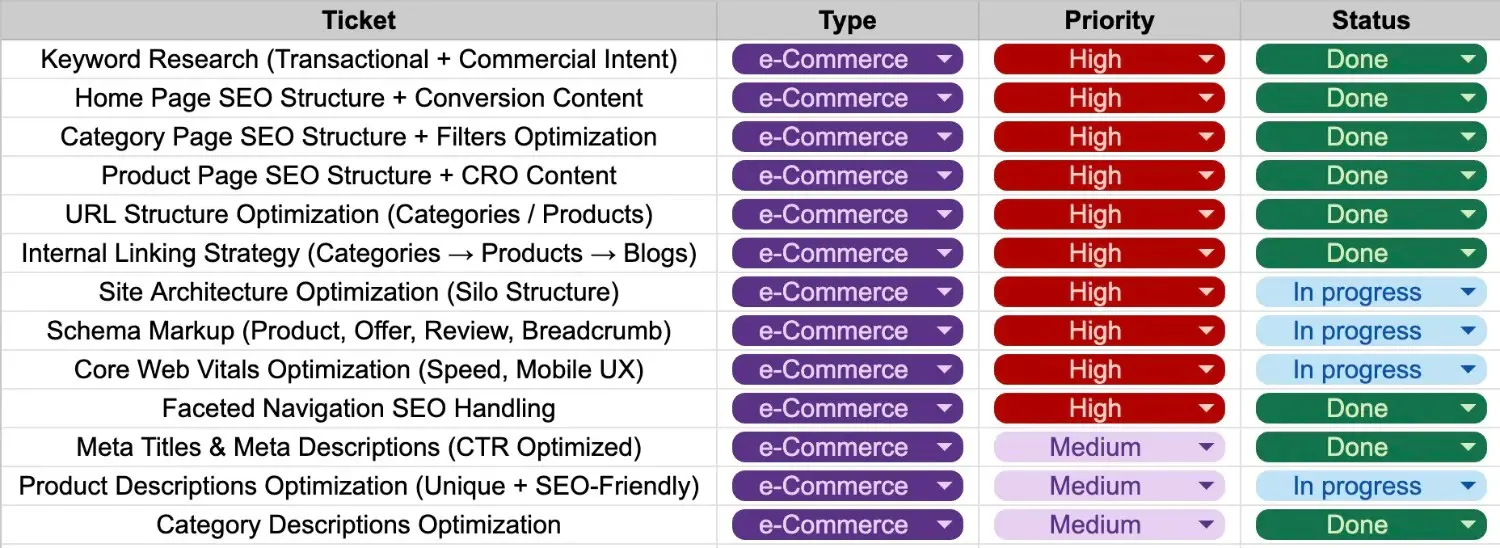
- Analyze transactional keywords (Buy + Product).
- Conduct competitor research for product results.
- Analyze category and sub-category site structure.
- Audit for duplicate content issues.
We provide specialized E-commerce SEO to rank your product pages and categories higher in search results. By optimizing store structure, targeting purchase-intent keywords, and refining technical SEO for platforms like WooCommerce and Shopify, we aim to grow organic traffic and convert it into actual sales.
Traditional SEO
E-commerce SEO
Product Page Optimization Package
180$
Includes
Categories + Products Package
320$
Includes everything above +
Full E-commerce SEO Package
500$
Includes



We analyze your entire store structure, review product and category rankings, and research high-intent transactional keywords. We identify duplicate content and filter issues, then create a clear roadmap to optimize your product pages and boost their visibility to drive more traffic and sales.
How can I learn SEO principles from scratch?
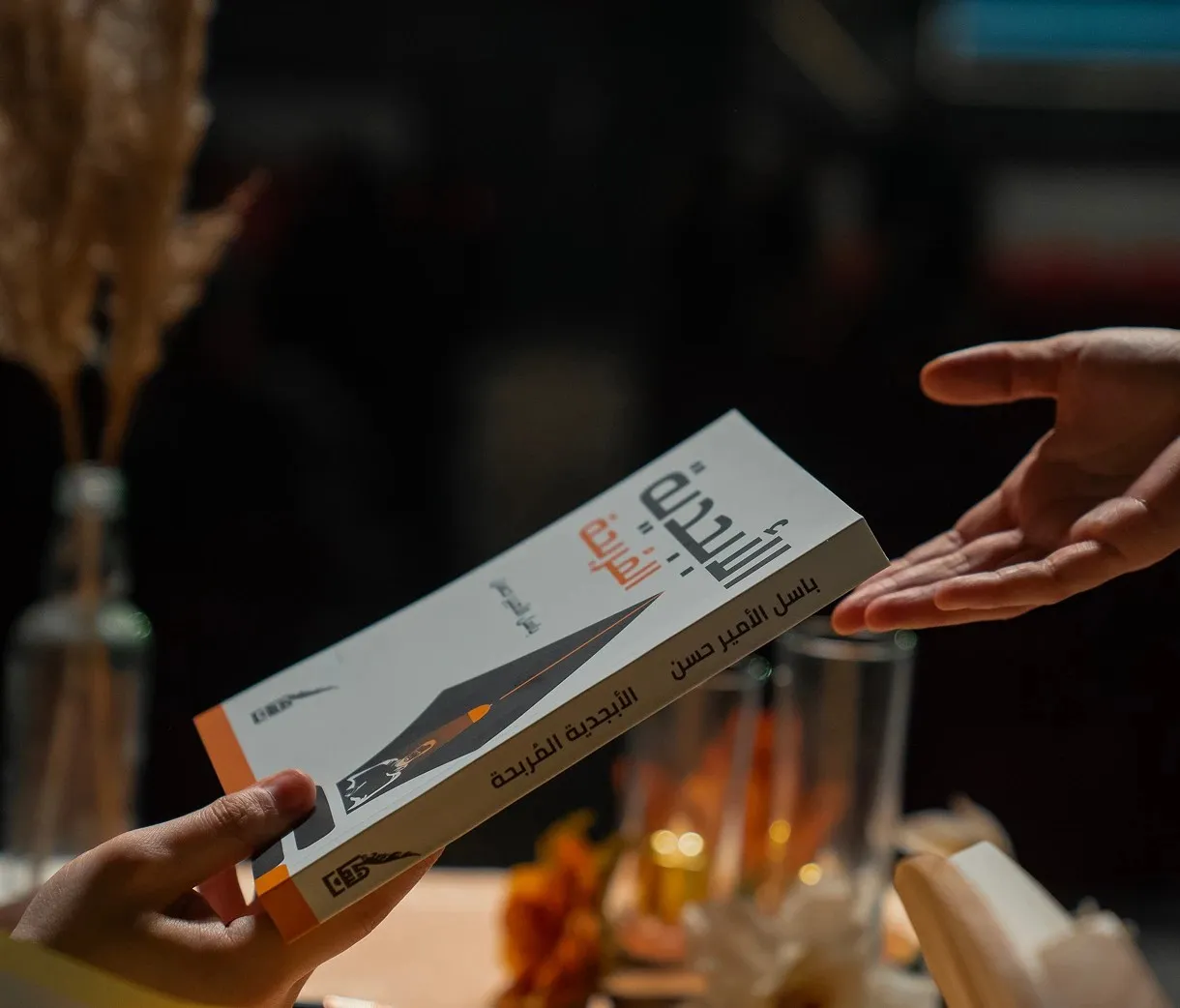
If you are looking to learn SEO basics, understand how search engines work, and how to optimize content to rank on Google, you can download “The Profitable Alphabet.” This practical guide explains SEO fundamentals, keyword analysis, and step-by-step SEO-friendly content writing.
This is often due to poor targeting of transactional keywords, duplicate product content, unoptimized category pages, or technical indexing issues. E-commerce SEO helps boost product rankings and visibility in search results.
By optimizing products and categories, targeting high-intent keywords (e.g., “Buy + Product Name”), improving Click-Through Rate (CTR), and boosting site speed. E-commerce SEO builds sustainable traffic and reduces reliance on paid ads.
Yes. Using descriptions copied from suppliers leads to Duplicate Content, weakening your ranking chances. Unique, keyword-optimized descriptions enhance both ranking and conversion.
Focus on High Buying-Intent keywords like “Buy,” “Best Price,” or “Fast Delivery,” alongside general category terms. Competitor and search volume analysis helps identify high-conversion keywords.
Category pages often target broad, high-volume keywords like “Men’s Running Shoes.” Optimizing them correctly boosts the store’s overall authority and strengthens internal linking to products.
The cause could be Noindex tags, Canonical issues, weak internal linking, or thin content. An SEO audit reveals the root cause and provides a fix.
Initial results usually appear within 6 to 12 weeks. Ranking for competitive transactional keywords may take longer depending on niche authority and competition.
The core principles are the same, but each platform has different technical settings regarding permalinks, filters, and indexation management. Optimization must be tailored to the platform.
Yes. Loading speed affects user experience and conversion rates, and it is a confirmed Google ranking factor. A faster store means better rankings and more sales.
Optimize the Page Title, use the product name clearly in the H1 tag, write detailed descriptions, optimize images with Alt-Text, and link the product to strong category pages.
Yes. Reviews build trust and increase CTR. Furthermore, Review Schema can display star ratings in search results, significantly increasing click rates.
E-commerce SEO focuses on product pages, buying keywords, and conversions, while Traditional SEO focuses on articles, informational content, and general traffic.
Ads bring immediate traffic but stop when the budget runs out. E-commerce SEO builds a long-term, cost-effective traffic source that lowers your Customer Acquisition Cost (CAC).
Yes. Improperly configured filters can create duplicate pages, wasting your Crawl Budget. Correctly managing Pagination and Canonical tags is vital.
If organic traffic is stagnant, products aren’t ranking, CTR is low, or you are 100% dependent on paid ads, your store needs comprehensive E-commerce SEO.

An Arabic Consultancy Specialized in Content Writing & SEO
Wordian is Proudly 100% Remote.
Quick Links
Wordian ©2026 - All Rights Reserved
Designed, Developed & Maintained by Omar Reffa