Before Writing
Analyzing Search Intent.
Identifying primary and secondary keywords.
Defining the page goal (Ranking – Conversion – Trust).
Competitive analysis of top-ranking search results.
We help you craft website content that clearly defines your services and high-converting landing pages designed to boost sales while improving your search engine visibility.
Landing Pages Content
Website Content
Analyzing Search Intent.
Identifying primary and secondary keywords.
Defining the page goal (Ranking – Conversion – Trust).
Competitive analysis of top-ranking search results.
Crafting SEO-optimized H1–H2 headings.
Natural keyword integration.
Structuring paragraphs for high readability.
Strategic placement of Calls to Action (CTAs).
Writing Meta Titles and Meta Descriptions.
Optimizing internal linking between pages.
Reviewing reading experience and cognitive ease.
Ensuring the page serves a single, clear objective.
Website Audit Package
80$
Includes:
Ad-Optimized Landing Page Plan
120$
Includes:
Site Structure + Content Writing
250$
Includes:


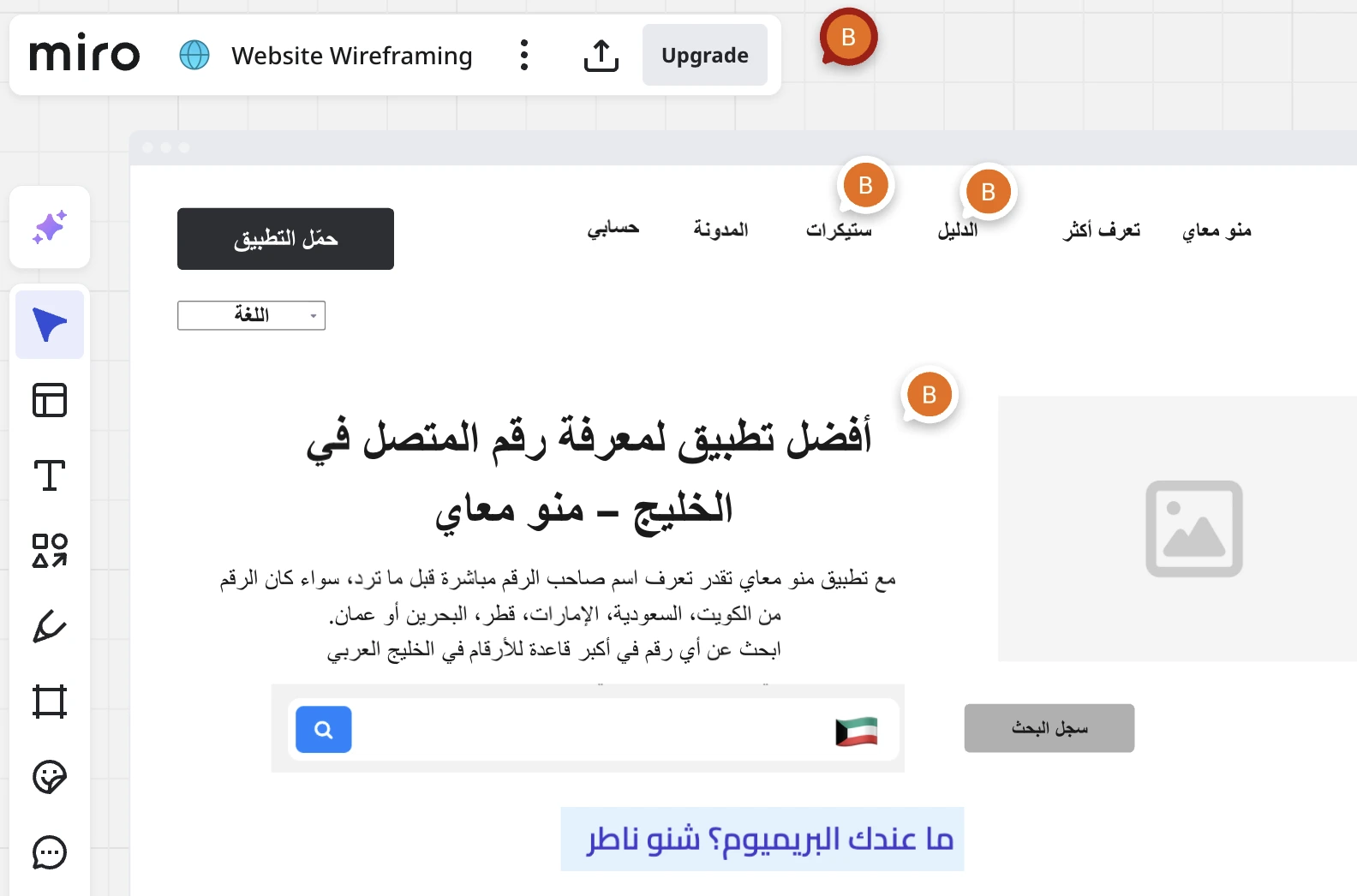
We write website content in an organized manner that enhances User Experience (UX), simplifies the design and development process, improves SEO, and boosts conversion rates.
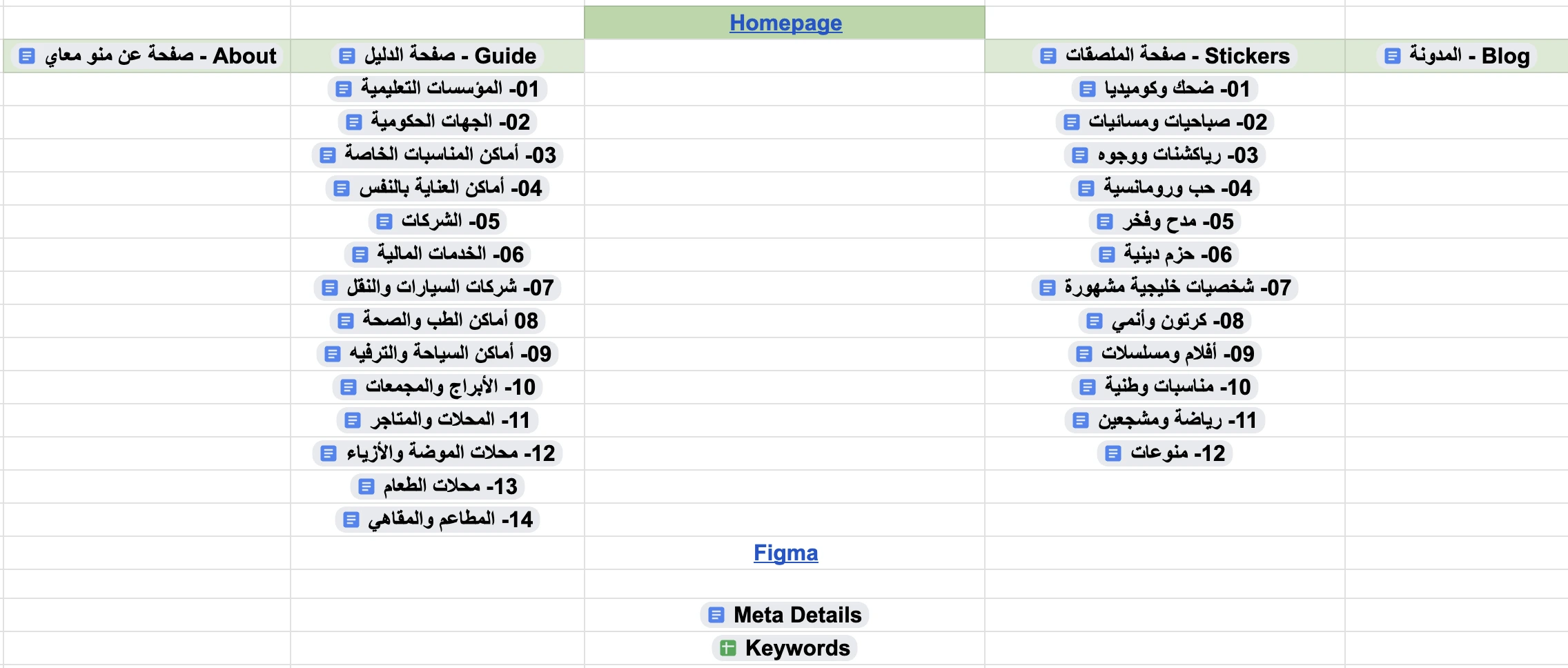
Before we start writing website content or landing pages, we build a clear site structure that defines core pages, their hierarchy, and the target keywords for each page.
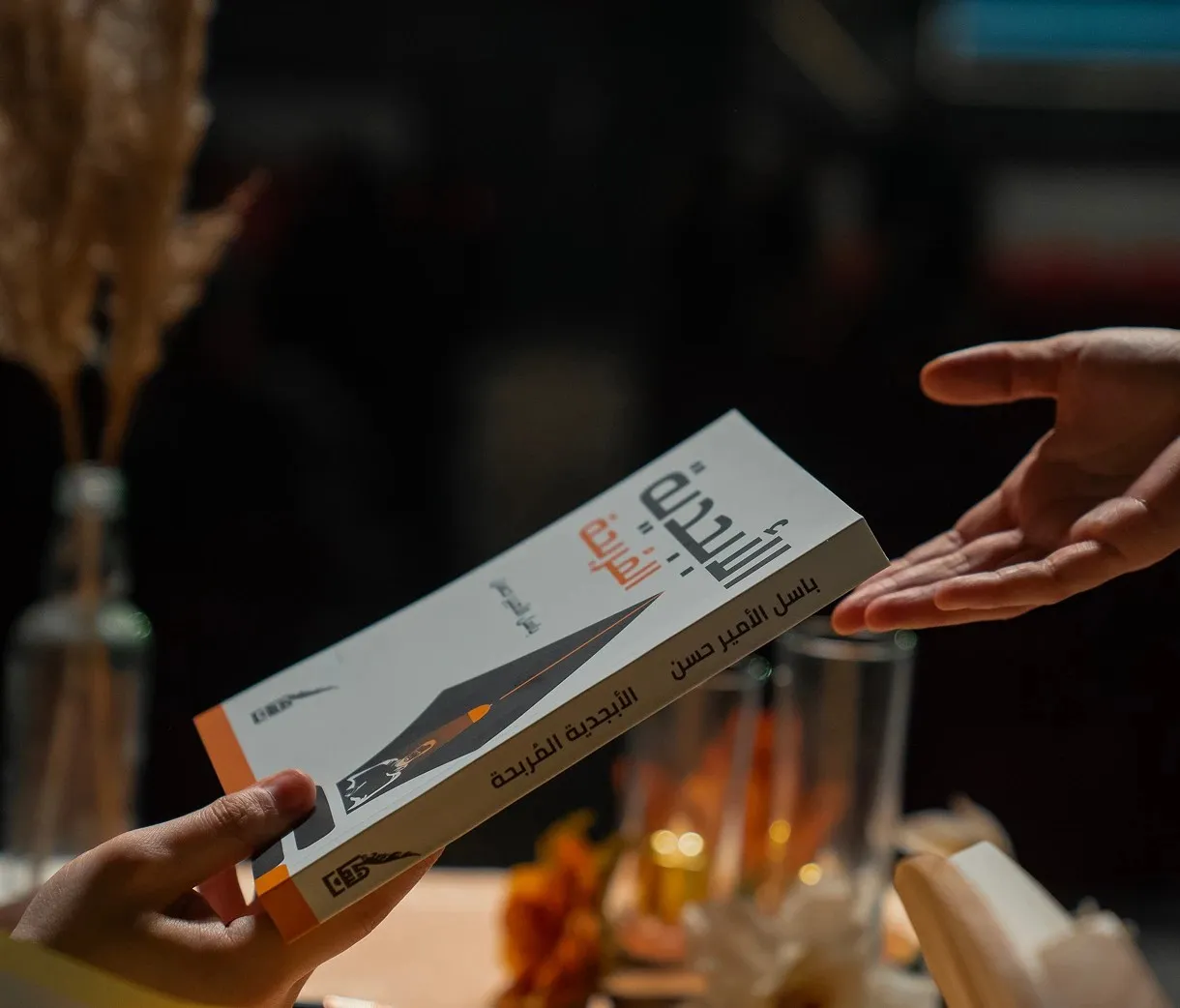
How can I learn Website and Landing Page Copywriting?
All the secrets of high-converting web content and landing pages are found in “The Profitable Alphabet”—the first Arabic reference in copywriting.
In Chapter 5, you’ll find a comprehensive guide on how to write detailed website content, complete with real-world examples.
A website page explains services, builds trust, and is optimized for SEO. A Landing Page is designed with a single goal (like a booking or purchase) and focuses on maximizing conversions while minimizing distractions.
No. Website content serves information seekers, while ad landing pages target high-intent visitors who need direct, persuasive copy to make a quick decision.
To rank, you must select a primary keyword, analyze search intent, organize with H1–H2 tags, answer actual customer questions, and optimize Meta titles and internal links.
There is no fixed number. A strong service page must cover the topic comprehensively and outperform top-ranking competitors for the same keyword.
Yes. Optimizing content doesn’t just improve rankings; it enhances user experience, clarifies value, and boosts the overall Conversion Rate.
Common reasons include a weak persuasive flow, vague headlines, lack of a strong Call to Action (CTA), or a mismatch between the ad’s promise and the page content.
An article aims to attract organic traffic via keywords. A landing page is laser-focused on a single action (sign-up/purchase) with zero distractions.
Yes. Strong On-Page SEO strengthens the site’s architecture, empowers internal linking, and improves the ranking potential for core keywords.
Absolutely. Updating existing content with better keywords and structure often yields faster results than creating new pages from scratch.
If you have high traffic but low conversions or a high bounce rate, your page likely lacks a clear message or a persuasive sequence.
It’s a pillar, but ranking also depends on technical SEO, site speed, competition, and Domain Authority.
No. Natural keyword integration is better than “stuffing.” Google prioritizes content quality and intent-matching over keyword density.
Yes. Content for a tech firm differs from a medical or real estate site. We analyze the market and competitors before crafting the brand voice.
Initial signs usually appear within weeks, but highly competitive terms may take several months of continuous optimization.
Yes. Defining the structure and page goals before design ensures better UX, easier development, and built-in SEO from day one.
An Arabic Consultancy Specialized in Content Writing & SEO
Wordian is Proudly 100% Remote.
Quick Links